

Saga at IBC 2026: The agentic newsroom
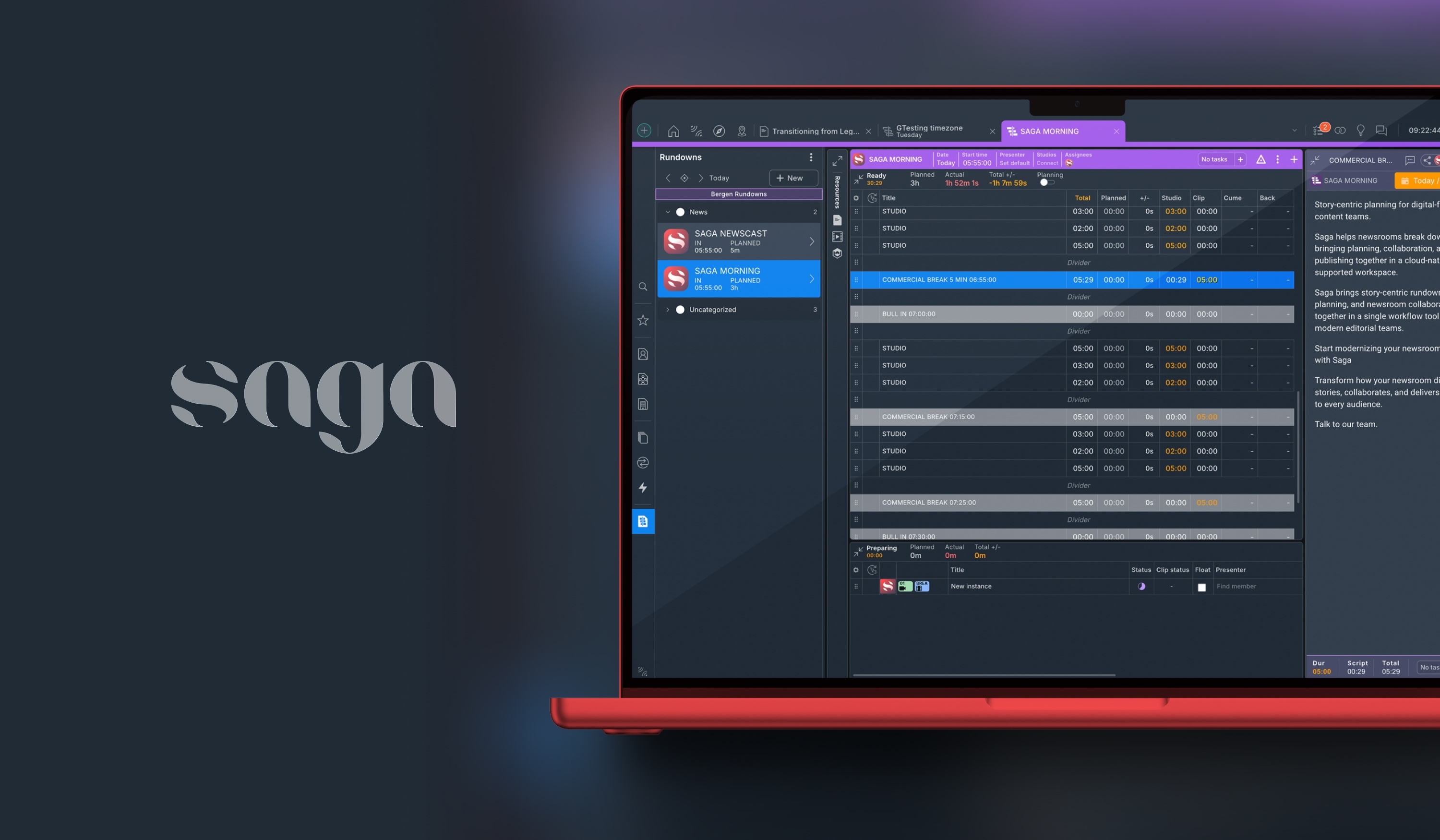
See how Saga is helping newsrooms move from story planning to publishing with practical AI, MCP magic, stronger auditability, improved rundowns, multi-platform workflows, agent-ready orchestration and how to use Topics to keep track of evolving stories
Bergen, Norway – 03 September, 2026: Saga, the story-centric newsroom system, returns to IBC with capabilities designed for newsrooms that need to move faster across linear, web, social, and emerging AI-assisted workflows.
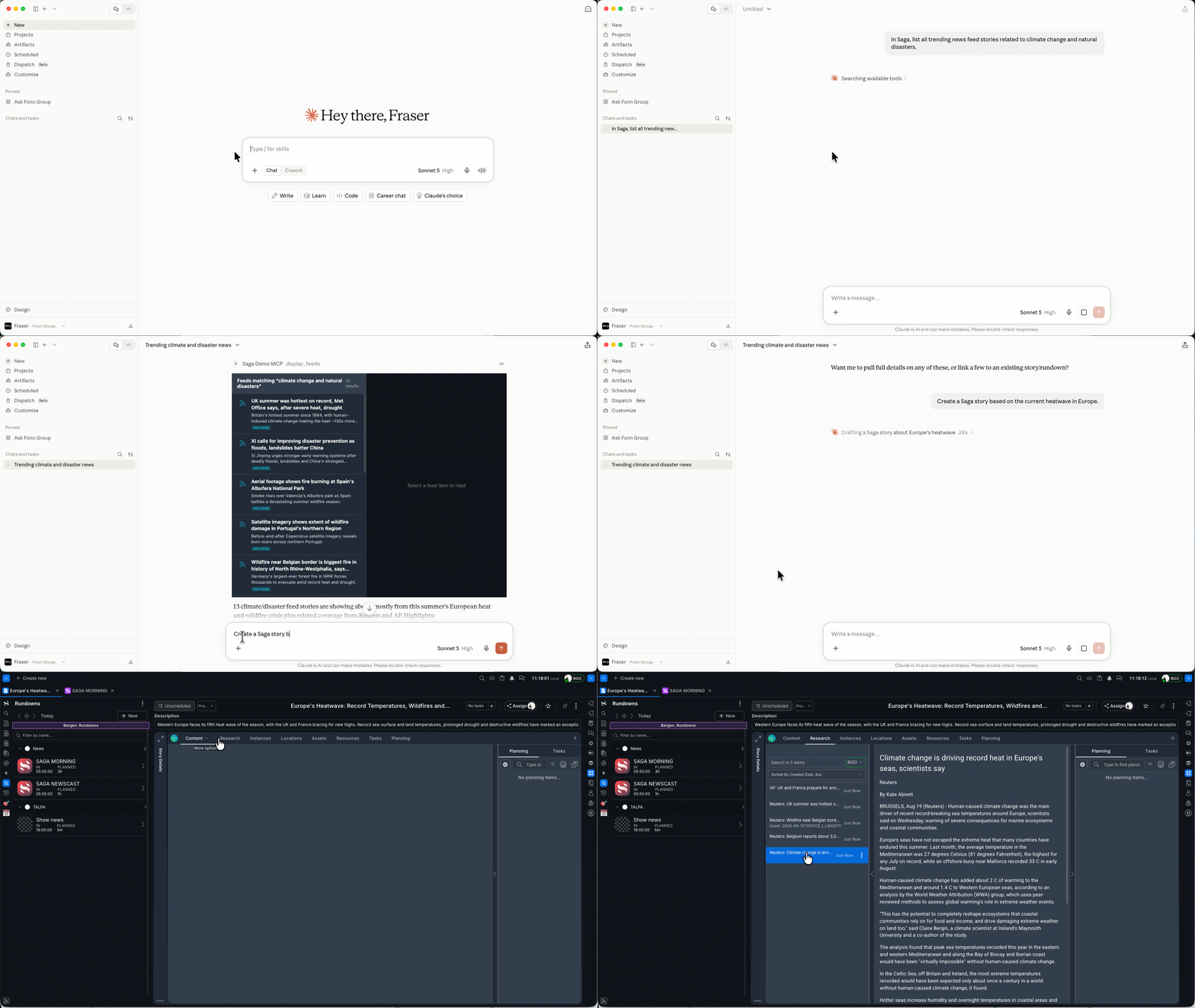
Practical AI and MCP that fits the newsroom
As newsrooms begin exploring agent-powered workflows, Saga shows a more open model for AI orchestration. At IBC, Saga will show Saga MCP, giving newsrooms a way to connect their preferred AI models and orchestration agents directly into Saga workflows. That means AI can help with the work around the story, surfacing context, coordinating tasks, supporting research, and preparing publishing workflows, while teams keep control of their data, permissions, and editorial process.
For example, newsrooms can ask AI models to summarize recent rundown changes before air, cross-reference sources against a live script, or audit who updated a specific graphics package.
Publishing without rebuilding the story every time
Saga is built around the story itself, not the destination. Teams can create the editorial core once, then shape it for the platforms where the audience will actually meet it. Instead of copying and pasting between tools, rebuilding the same content in separate systems, or manually tracking which version belongs where, Saga keeps each output connected to the same story workflow.
At IBC, Saga will show the next stage of its multi-platform publishing capabilities, including workflows for creating and scheduling platform-specific instances, supporting dedicated interfaces for social and digital outputs, and using AI to help suggest related content, feeds, media, and publishing context while journalists stay in control of what is approved and published.
.png?width=1920&height=942&name=multiplatform-publishing%20(1).png)
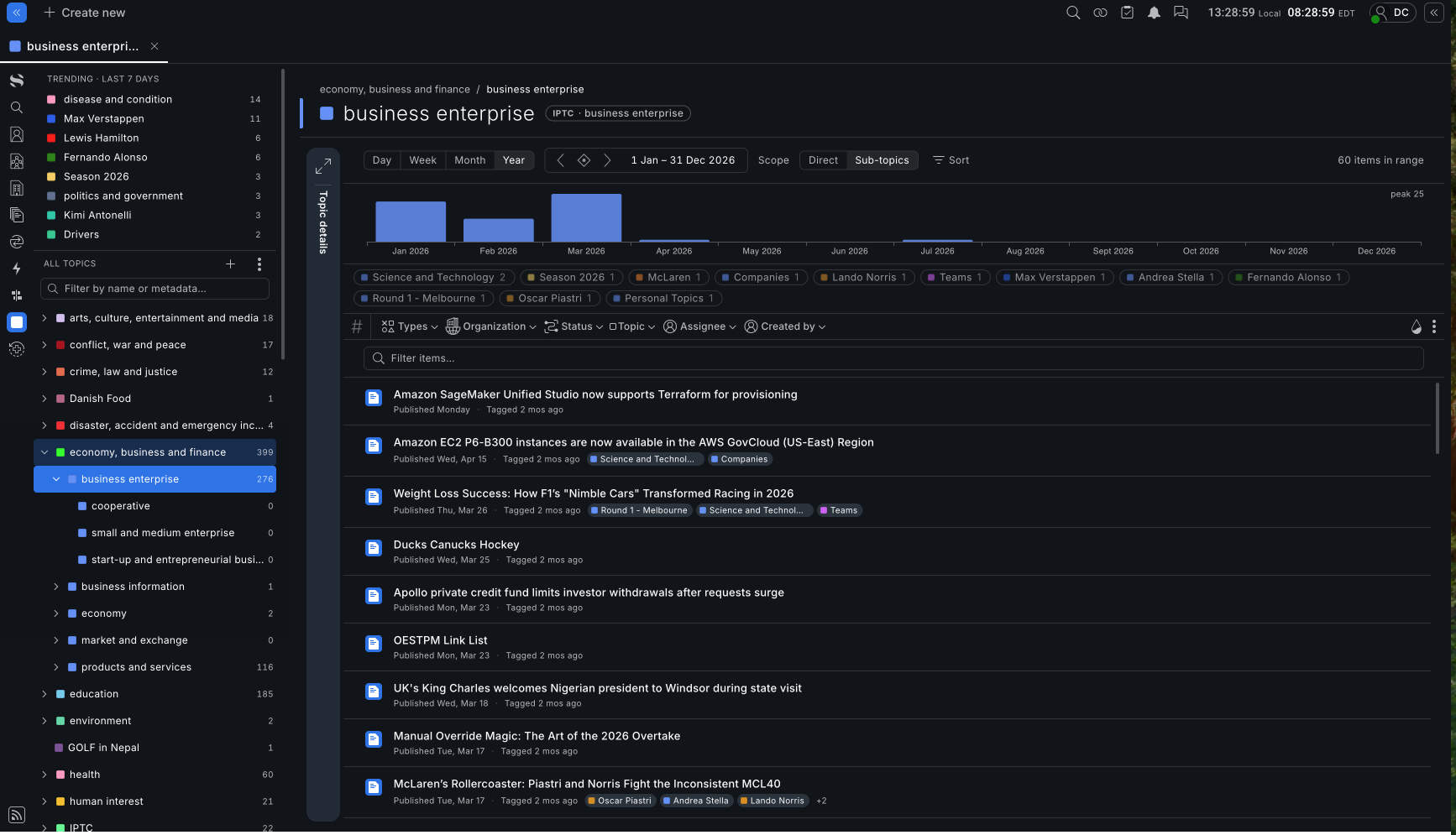
Saga’s new concept Topics adds another layer to that workflow. By helping teams organize stories around themes, beats, and subject areas, Topics can make it easier to connect content to the right audience, surface relevant material, and keep coverage coordinated across platforms. For editorial teams, the outcome is not just more publishing destinations — it is a clearer way to manage the story behind them.
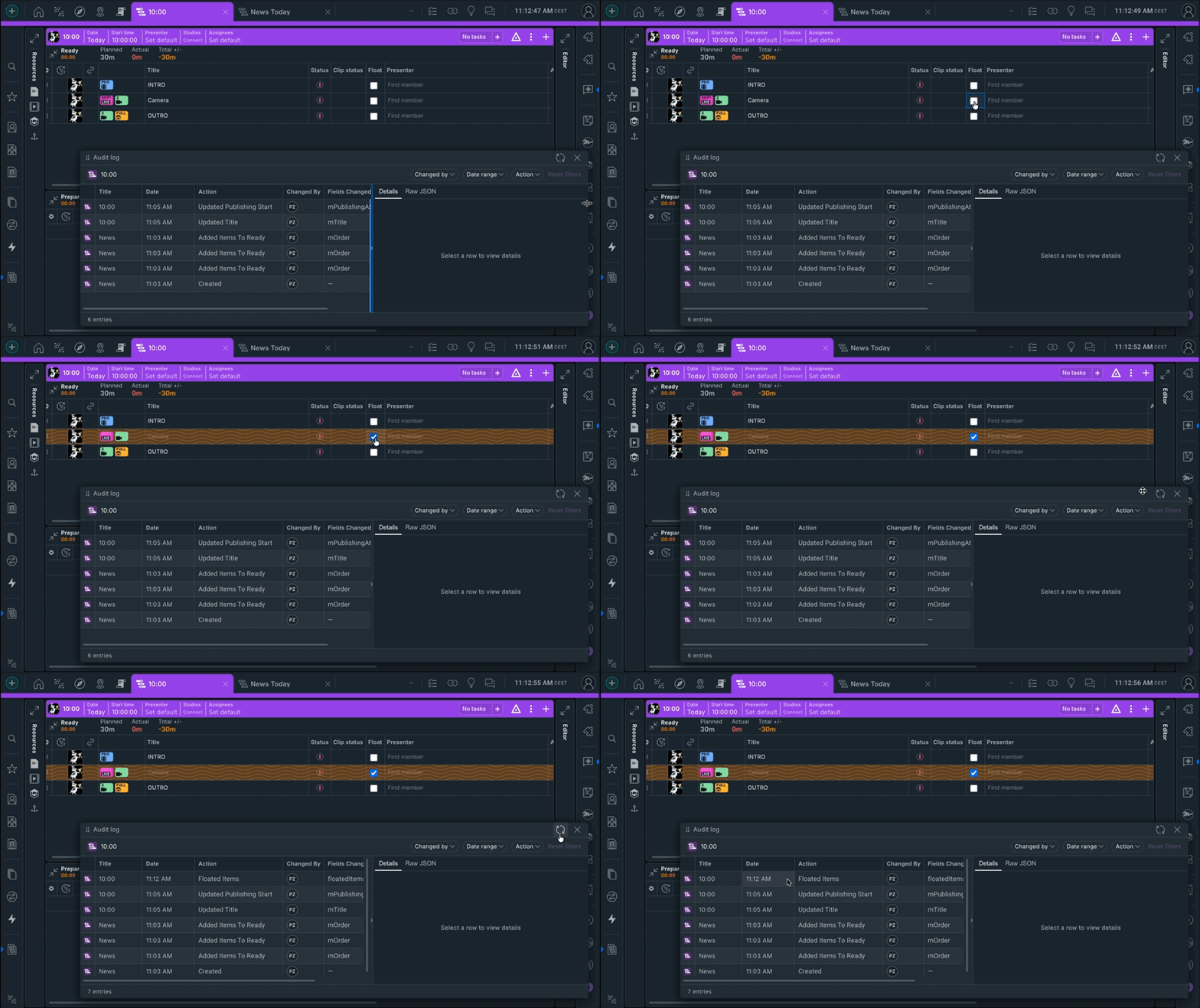
Guarantee content integrity with audit logging
When a script changes minutes before air, a social post is updated after approval, or a rundown item shifts during show preparation, Saga’s audit logging gives teams a clear record of what happened. Editors, producers, and newsroom leaders can see what changed, who changed it, and how the story moved through the workflow, supporting accountability, review, and compliance without slowing production down.
A smarter rundown for live production
At IBC, Saga will show updates designed to make rundown work clearer, faster, and more collaborative. Prompter view, segment timing, batch insert of instances, collaborative instance editing, copy rundown, and invalid MOS item indicators all support the people who need to get a show to air without hunting for missing details or repeating manual steps. These improvements help live teams work with more confidence while keeping the story connected to the wider editorial workflow.
Drag-and-drop media and graphics further support the shift toward more integrated and streamlined live production workflows. By making it easier to bring assets directly into Saga, teams can build story packages with less movement between disconnected systems.
Media, graphics, scripts, rundowns, and publishing outputs can sit closer together, reducing handoffs and helping teams finish work faster.
Want to see the latest from Saga for yourself? Book a demo at IBC 2026