
blinx: building the future of digital-first news with Saga
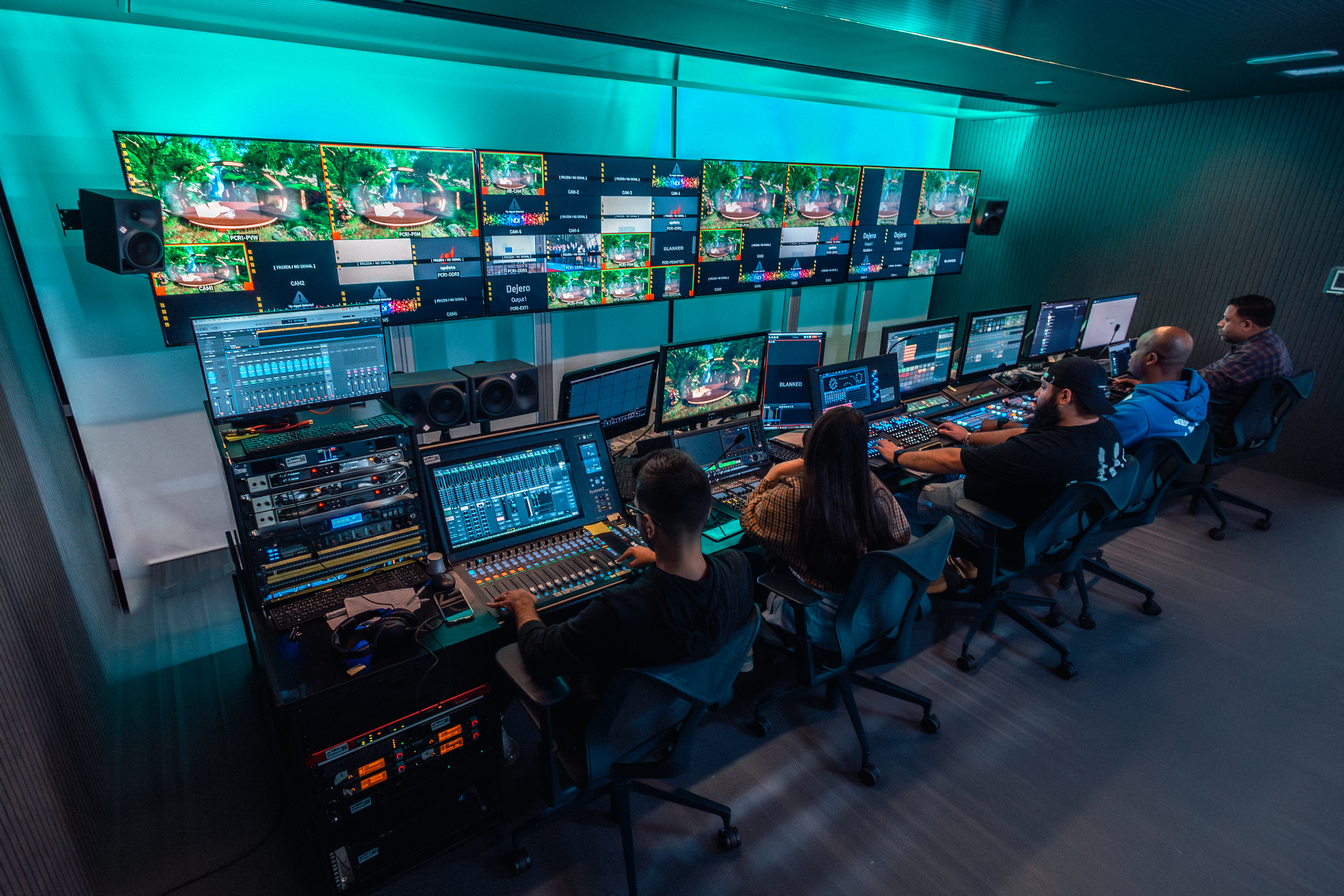
When blinx launched in 2023, it was not trying to build another traditional newsroom.
Headquartered in Dubai Media City, blinx was created as a digital-native storytelling hub for the Middle East and North Africa, built around a younger generation of viewers and creators. Its purpose was clear from the beginning: reach Gen Z and millennial audiences with news, entertainment, infotainment, and culturally relevant storytelling across the platforms where those audiences already spend their time.
That meant the technology underneath blinx could not be built around legacy assumptions.
This was a newsroom where stories needed to move across social, web, app, smart TV, studio production, and multiple digital formats. Editorial users needed a system that could support pitch-to-publish workflows, story approvals, media handling, wires, CMS integration, and platform-specific distribution without forcing teams into rigid, outdated processes.
For blinx, Saga became the story-centric foundation for that workflow.
Basel Al Rouh, Head of Technology - IT, Broadcast & Digital Media at blinx, was part of the founding team. From the beginning, he explained, the requirement was shaped by the kind of media company blinx wanted to be.
“The idea itself, it’s a digital platform and the target audience, the main target audience, was Gen Z,” said Al Rouh. “So they were looking for a product, a story-centric product, that will help in building a digital platform.”
A digital-first newsroom needed a different kind of system
For blinx, the decision was not simply about choosing a newsroom system. The team was building a digital-first media operation from the ground up, with studio production, social publishing, CMS workflows, media management, graphics, automation, and IP-based infrastructure all needing to work together from day one.
Saga was selected because it could operate as the story layer inside that wider environment. It gave blinx a way to manage pitches, approvals, statuses, story workflows, rundowns, wires, and publishing logic in one place, while Mimir supported the media workflows connected to those stories.
That combination mattered. blinx did not want to stitch together a newsroom tool from one vendor and a production platform from another, then carry the burden of making those systems behave as one. With Saga and Mimir, Fonn Group could provide both sides of the workflow: the editorial structure around the story, and the media layer underneath it.
For a digital-native newsroom, that interoperability was not a technical nice-to-have. It was the foundation that allowed blinx to build a workflow around how its teams actually create, manage, and publish content across platforms.
Building the workflow around the story
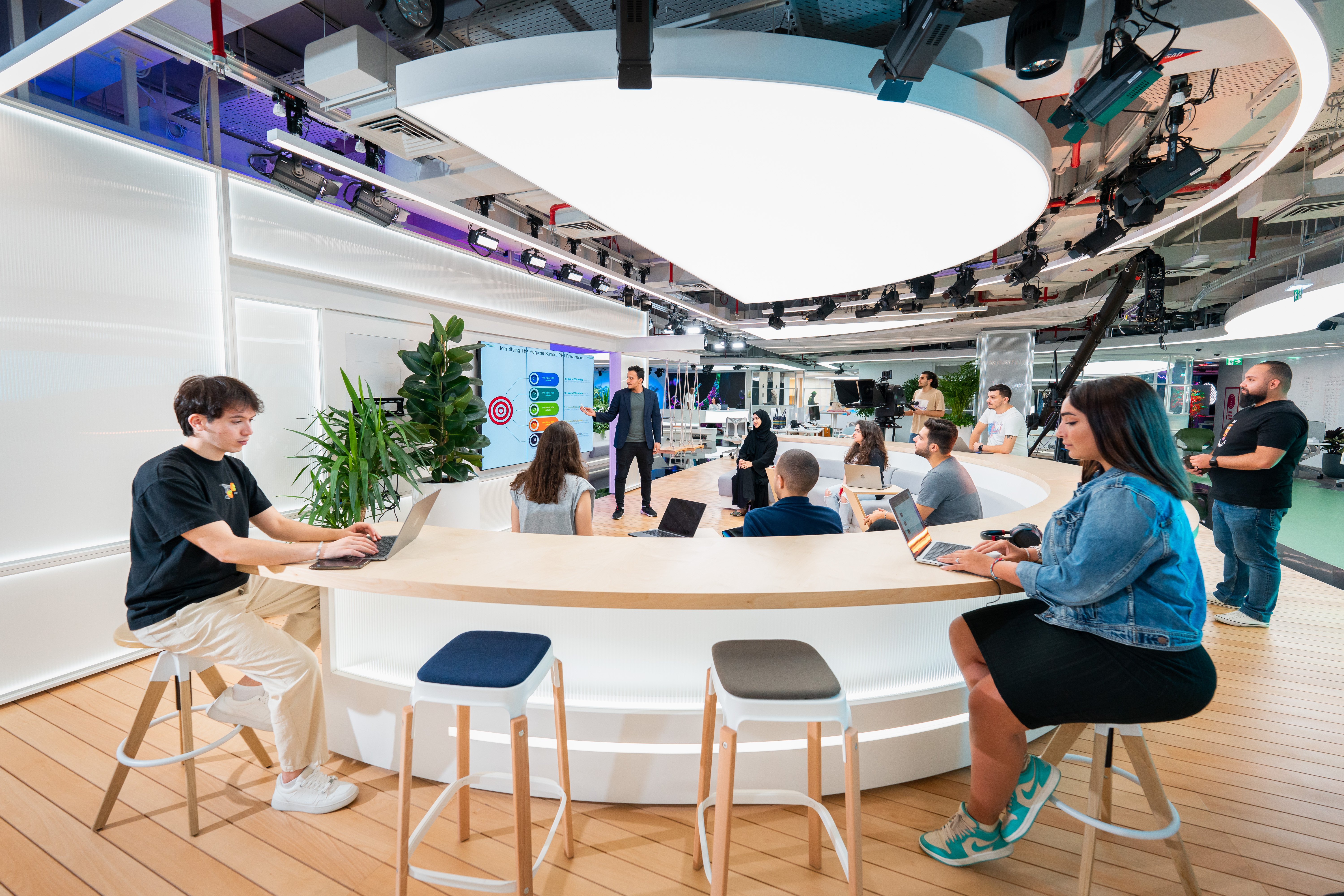
Today, Saga sits at the heart of blinx’s editorial workflow.
A content creator starts with a pitch. Once approved, that pitch becomes a story. From there, the story moves through a workflow built around status, role, permission, review, filming, editing, graphics, approval, and publishing.
This governance layer became an important part of how blinx adapted Saga to its organization. “Our workflow is built completely based on the status and the permission you get,” said Al Rouh. “So that’s why when they create the pitch, they cannot open a story. They cannot turn it into a story. They have to go to the producer.”
For blinx, that was not just about control. It was about making sure the right people could move the story forward at the right moment.
The producer reviews whether the pitch is valid, turns it into a story, and moves it into progress. From there, the story can pass through multiple review and production stages — audio, graphics, filming, editing, and publishing — depending on what the piece requires.
“We created different statuses based on the workflow and we have permissions based on that,” Al Rouh explained. “So they cannot, for example, send it to edit without a certain approval, certain permission; we built a workflow around that.”
Saga’s StoryHub became especially important because it gave teams one shared view of what was happening. “We depend mainly on the StoryHub,” said Al Rouh. “That’s our main focus.”
For blinx, the StoryHub is where the newsroom can see the full editorial operation at a glance. “It gives one overall view of everything happening… every day,” he said.
That ability to see the full story operation in one place is central to Saga’s value: not just managing content items, but giving editorial, production, and publishing teams a common operating picture.
For storytellers like Heba Alhamarna, a journalist and content creator at blinx, this governance layer is about clarity rather than restriction.
"You don't have to fight the system," Alhamarna explained. "It works with you for whatever you want to curate. It's like unlocking a tab that was already in your head that you didn't know existed, you're just functioning with something intuitive."
This flexibility is most apparent during remote operations. Alhamarna recalls managing an entire story lifecycle while working from Armenia for two weeks. "As long as you have good Wi-Fi, the system is functional. My presence doesn't have to be limited to the office."
Alhamarna also mentions the ease of continuing operations, despite global disruptions, “In February and March, everyone was working from home, and the fact that we were able to continue and actually grow as a platform in terms of more content being pushed, and more views and engagement was amazing, and it was because we had a system that facilitated everyone to work from anywhere."
For her, the "beauty" of the workflow lies in not only the accessibility, but reliability: "The system is great. Honestly, when there’s a problem, it’s usually us, not the tool."
Shaping the product around the workflow
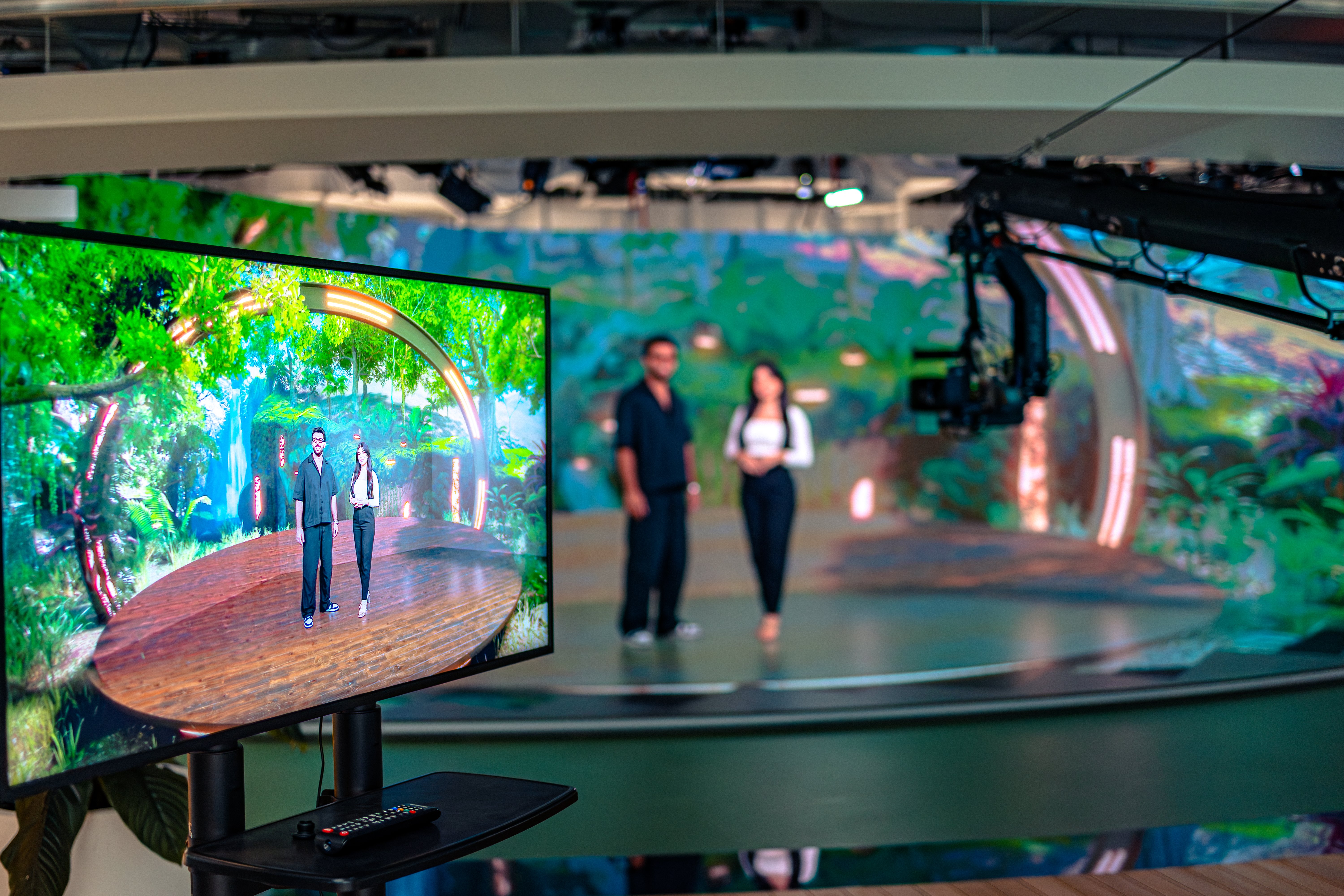
One of the clearest differences for blinx was that Saga did not feel like a fixed system they simply had to accept. As the team built out its newsroom workflow, they were able to bring real operational experience and requirements back to Fonn Group, which influenced how the product developed.
For Al Rouh, that stood out immediately. “I‘ve worked with many other vendors that say ‘this is what you have, you should live with it, you cannot ask for more feature requests.”
With Saga, the experience was different. blinx was not asking for theoretical roadmap items. The team was trying to solve practical workflow problems in a new digital-first newsroom: how wires should be searched and prioritized, how publishing should work, how statuses and permissions should support editorial governance, and how the newsroom system should connect into the wider production environment.
“There were so many enhancements along the way, and that made the whole process feel like a true collaboration,” said Al Rouh. “It was a journey we went through together with Fonn Group.”
The wire workflow was one example. blinx did not want to download every agency item into its environment. The team needed a faster, more selective way to work with wires directly through Saga.
“We are like a smaller organization. We don’t have the capacity to download everything,” said Al Rouh. “So we wanted something super fast… through the browser, within Saga itself… to be able to fetch the stories through the wires very quickly.”
Over time, step by step improvements continually deployed meant that experience evolved from a more basic wire view into something better suited to how blinx’s teams needed to work, with different ways of browsing agency content and clearer prioritization.
“The way [Saga] now highlights the priority of the wires is also one of the things we worked on together,” said Al Rouh.
Publishing followed the same pattern. blinx originally worked with a headless CMS, but the ambition was to keep publishing inside the editorial workflow rather than sending users into a separate interface.
“We didn’t want to build an interface outside the system for publishing. We want everyone to be able to publish from Saga itself.”
According to Alhamarna, Saga is also core to the communication of the team across the publishing process: "We basically use Saga as this connection point between all of us. This is where [we say], 'Please don't talk to me in person, just tag me on Saga. Tag me, mention this for me, or send me this, or open a story for me.'"

A partner, not just a vendor
That ability to influence the product, and to work with a vendor willing to understand why the workflow mattered, became one of the reasons the relationship worked.
“Everything is open and available,” said Al Rouh. “Go and do it yourself, we will help you, we’ll support you, you can customize it the way you want. [Fonn Group] gave us this flexibility, which was very important.”
"You want to curate your own space, it's doable. You want to have access to certain news agencies, it is also doable. You like a very clean look? You can remove some of the things so that you have a clean aesthetic when you work so you are not overwhelmed," said Alhamarna.
For blinx, that flexibility was not just a product feature. It was the foundation of the partnership. Saga gave the newsroom a story-centric system to build on, but Fonn Group gave the team a partner willing to adapt, respond, and keep shaping the technology around the way blinx actually produces and publishes content.
For media organizations evaluating newsroom technology, this is often the difference between a system that works on paper and a system that succeeds in production. The technology has to be capable, but the partner has to be willing to understand the workflow, respond to operational reality, and keep developing the product alongside the customer.
"Saga is there to help you instead of you having to accommodate to it which is very nice. I feel like you don't have that with other systems. It's like you have to adapt to the system, versus the system adapting to how you want to work with it,” said Alhamarna.
And as a user, for her, the most impactful parts of the product are the thoughtful touches.
"...it’s the little things. So, when you open a story, there's automatically a story folder for it on Mimir, So, I don't have to do that manually. The less clicks there are, the better it is. And that's what it is doing for us."

Built for a generation that does not think in legacy workflows
One of the most interesting parts of the blinx story is that Saga was not only supporting content for Gen Z audiences, it was also being adopted by a young, digital-first editorial team.
Many of the people hired into blinx were fresh graduates or early-career media professionals. Some had never used a production platform or newsroom system before, which meant they were not measuring Saga against years of legacy workflow habits.
“Gen Z employees were the easiest actually to get up to speed on [Saga],” said Al Rouh. “They adapt very quickly. They like the tool and they haven’t worked on anything before. So they’re not comparing or still stuck with an old workflow.”
More experienced users, especially those coming from using other established media systems or newsroom systems, needed more time. But as the workflow became part of daily production, the value of the system became clearer.
That adoption pattern says something important about where broadcast technology is heading. The next generation of journalists, producers, editors, and content creators will not necessarily think in terms of traditional linear workflows first. They will expect systems to be browser-based, flexible, integrated, collaborative, and able to move across formats and platforms quickly.
For blinx, Saga gave those users a workflow they could learn quickly, adapt to their needs, and even help others understand. “Some of the younger people in editorial really love the tool,” said Al Rouh. “They adapted very quickly and started teaching others.”
Alhamarna believes this modern environment is also a powerful tool for talent retention. She recalls a colleague who left blinx for another organization only to find themselves struggling with a rigid, legacy newsroom system.
"We had one employee leave and head to another news agency... when they moved to the other company they couldn't function because of how old their systems were.”
The colleague eventually returned to blinx, underscoring how deeply integrated the technology has become with the creative process itself.
Publishing where audiences actually are
blinx’s audience strategy reflects the reality of modern media consumption. While the website and app remain important, Basel was clear that the biggest audience numbers come from social platforms.
“It’s how people now consume content,” he said. “Everyone is on social media, it’s a fact.”
The scale of that audience has grown quickly.
Blinx’s total followers across all social media platforms is 23M, with over 48.3M interactions and 2.01B views.
Saga sits at the center of this massive content engine. With more than 140 active users across editorial, creative, and operations, the blinx team maintains a high-velocity output managed entirely through the platform:
- Story volume: Between 35 and 40 new stories are created daily, totaling up to 280 stories per week.
- Publishing output: Up to 70 distinct instances are published daily across various formats, with as many as 490 instances delivered weekly. Of these, between 250 and 300 instances are published directly from Saga to the blinx CMS each week.
The content strategy reflects that multi-platform reality. blinx produces different formats for different destinations: vertical video for TikTok and Instagram, longer formats for YouTube, and content that also flows through the website and app.
“We have different material for formats going to Instagram, TikTok, that’s more of a vertical,” said Al Rouh. “We have long formats that go to YouTube, but everything we publish on all platforms goes to the website.”
For a newsroom system, that kind of operation requires flexibility. The story cannot be trapped in one output format. It needs to move from idea to script to video to review to publishable content across multiple destinations.
That is where Saga’s story-centric approach becomes especially relevant. It gives teams one place to manage the story while still allowing each platform to get the format it needs.
For blinx, that does not mean forcing every part of production into one tool. Once a story moves into production, Mimir keeps the media workflow connected underneath Saga, including into the Adobe Premiere workflows the team already uses day-to-day.
That connection matters because it keeps the editorial process and media production aligned. Teams can manage the story, approvals, status, and publishing preparation in Saga, while the media continues to move through the production tools already embedded in the workflow. The result is a more connected process from story planning through to final output, without adding unnecessary friction.
What blinx shows about the future of broadcast
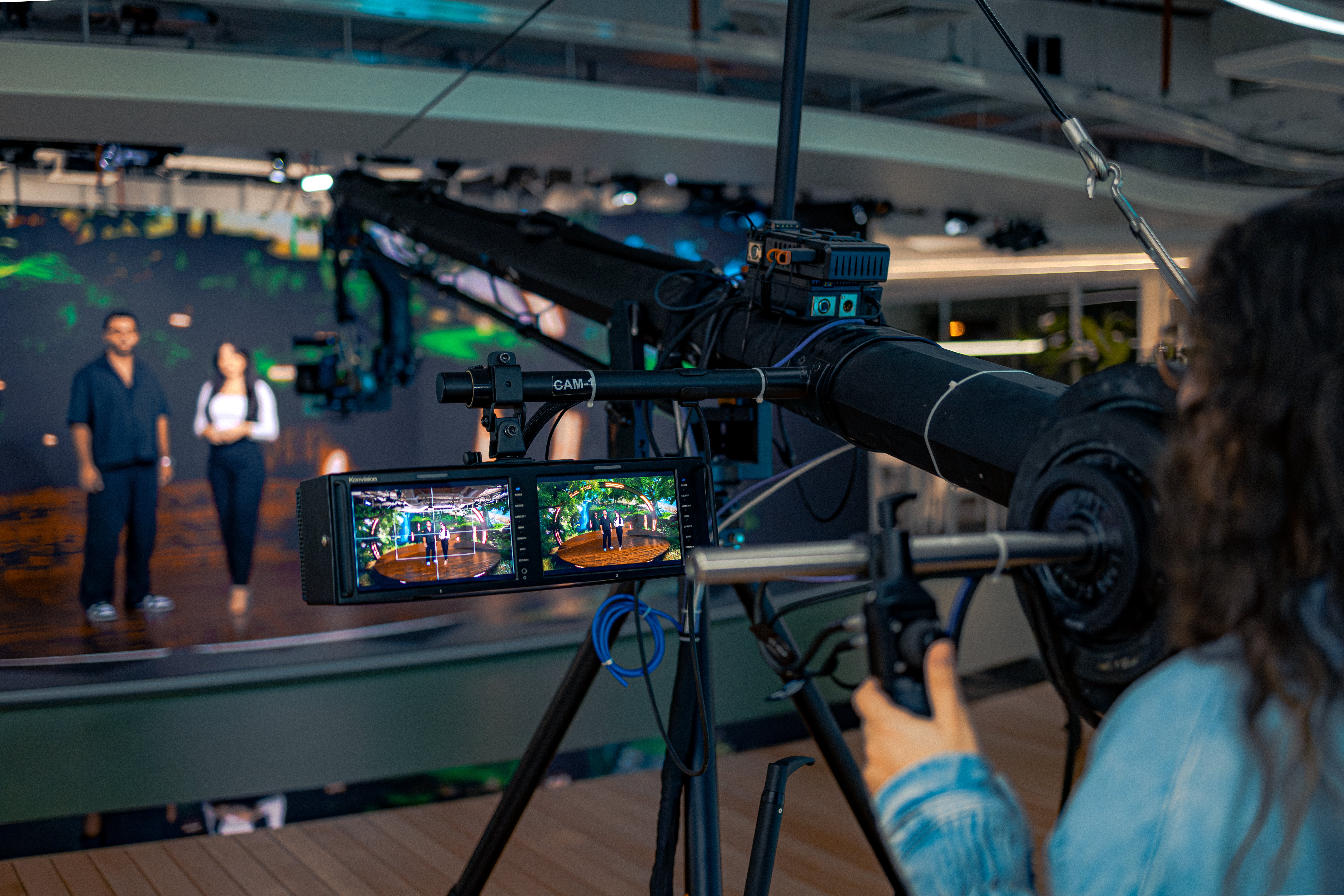
blinx was not trying to modernize an old newsroom. It was building a digital-first media operation from the ground up — one shaped by social consumption, studio production, multi-platform publishing, and a generation of creators and audiences who do not think in legacy workflows.
That required structure without rigidity. Saga gave blinx one place to manage the story as it moved through pitches, approvals, statuses, wires, rundowns, and publishing preparation, while Mimir kept the media workflow connected underneath.
The lesson is simple: newsroom transformation is not only about replacing legacy systems. It is about building a workflow that can keep adapting as audience behavior, platforms, and production needs change.
For blinx, Saga became that story-centric layer — flexible enough for a digital-first newsroom, structured enough for professional production, and open enough to keep evolving with the teams using it.
If your newsroom is rethinking how stories move from idea to audience, discover how Saga can help your teams plan, manage, and publish every story from one connected workflow.
All images courtesy of blinx.